Aug 03, 2026
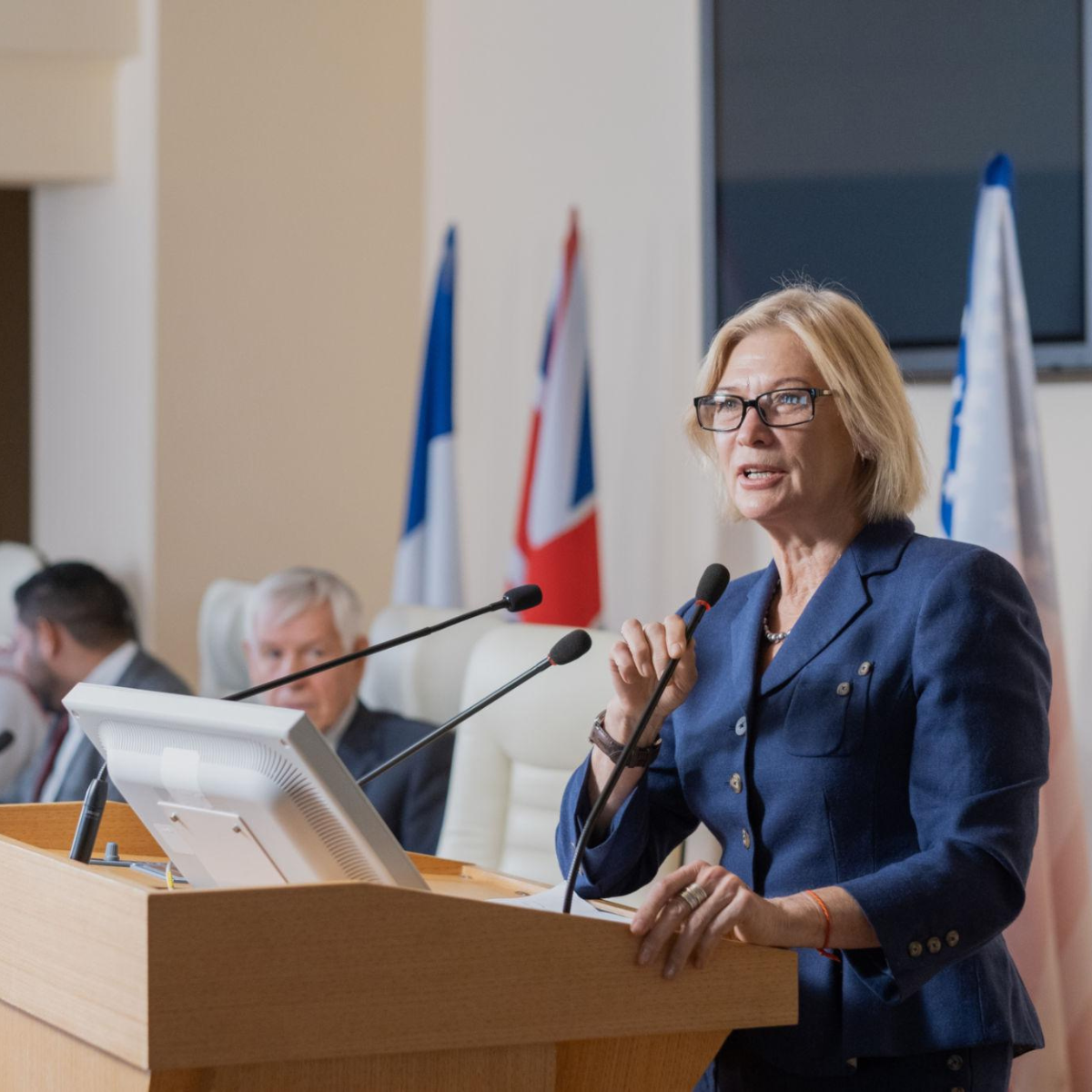
Every destination has them, though most have never thought to look. The locally based professor whose research is cited on five continents. The physician who chairs an international medical committee. The entrepreneur whose company operates across global markets. The investor who sits on boards in three countries.
These are destination ambassadors - not visitors who enjoyed a conference and left with good memories, but recognized local experts with genuine global standing in their fields. When they advocate for their city as a meeting destination, they are not sharing a hospitality experience. They are lending their professional credibility to it.
The ambassador model - systematically identifying, cultivating, and activating these individuals as business development assets - is one of the most reliably effective strategies in the association meetings market. It is also one of the most underdeveloped. The destinations that have invested in it seriously are not merely competitive. They are structurally advantaged in ways that marketing spend cannot replicate.
Why Ambassador Programs Work Where Advertising Does Not
Destination marketing operates in a credibility environment where the source of a recommendation matters as much as the content of it. A planner reading a destination's promotional materials is reading something the destination wrote about itself. A planner receiving an endorsement from a globally recognized researcher, physician, or business leader who calls that city home is receiving something categorically different.
That distinction matters enormously in the association meetings market, where decisions are made by committees of subject matter experts who know exactly who carries weight in their field. A Nobel laureate who teaches at the local university, a surgeon who trained international fellows from that city's hospital, an economist whose policy work has shaped legislation across three continents - these individuals have standing that no CVB marketing budget can manufacture. When they say a destination is ready for a major international meeting, program committees listen.
Ambassador programs formalize this dynamic. They turn influence that already exists in a city into a structured, repeatable business development channel - one that compounds in value the longer it is maintained.
The Association Market Is Particularly Receptive
In the association meetings market, the ambassador model has a specific structural advantage: the destination's most powerful advocates are often already known to the association being targeted.
A global medical society considering a city it has not used before is not just evaluating the convention center. It is asking whether the destination's scientific and clinical community is strong enough to attract faculty, generate local co-presenters, and lend the meeting credibility within the profession. A locally based researcher who sits on that society's international committee, or a clinician who trained under faculty the association respects, can answer that question in a way no sales proposal ever could.
The destinations with the strongest track records in landing first-time association business in competitive segments - medical, scientific, legal, and technical meetings in particular - consistently identify these individuals early and involve them substantively in the bid process, not as symbolic local color but as genuine professional validators.
What Makes an Ambassador Program Actually Work
The ambassador programs that produce results share a few structural features that are worth being specific about.
The identification is rigorous. The starting point is not a list of enthusiastic locals. It is a mapping of the city's globally recognized experts by discipline - researchers with significant international citation records, clinicians with international committee roles, business leaders with cross-border influence, academics whose work is taught at institutions on other continents. The question is not who loves the city. It is who has standing in the fields that the destination wants to attract.
The ask is specific and bounded. Ambassadors at this level are extraordinarily busy. Programs that ask for vague, open-ended support collapse quickly. Programs that ask for specific, time-limited commitments - a call with a site selection committee, a letter of support for a bid, a session chair role if the event is secured, an introduction to a colleague who leads the relevant international association - are asking for things these individuals can actually deliver without disrupting their professional lives.
The relationship is maintained between activations. The most effective programs treat ambassadors as genuine partners year-round, not only when a bid is active. That means keeping them informed about the destination's meeting industry strategy, recognizing their contributions in ways that are meaningful within their professional communities, and investing in the relationship with enough consistency that the next ask does not arrive cold.
The program is organized by discipline, not just by name recognition. A destination serious about the medical meetings market needs ambassadors with standing in medicine. One pursuing technology conferences needs recognized figures from its tech and research ecosystem. Matching ambassador profiles to target association segments is what turns a general goodwill network into a precision business development tool.
The Bid Process Is Where Ambassadors Change Outcomes
The clearest return on ambassador investment shows up in competitive bid situations, particularly for first-time business in a city. When a destination can include a letter of support from a scientist whose work the association's program committee cites, or arrange a call between the bid team and a local expert the association's leadership already knows personally, the nature of the evaluation shifts.
The destination is no longer asking a committee to take a risk on an unknown quantity. It is presenting a professional community that the association already has reason to trust. That is a fundamentally different conversation, and it is one that no amount of polished proposal design can replicate.
For associations with strong academic or scientific identities - and there are thousands of them - the quality and global recognition of a city's intellectual community is as important as its infrastructure. Ambassadors are the mechanism for making that community visible to decision-makers who would otherwise have no way to assess it.
Building an Ambassador Network With Long-Term Value
For destinations that want to build a program oriented toward the association market, the starting point is a structured audit of the city's globally recognized talent by field. This means going beyond honorary titles and local prominence to identify individuals whose work, leadership, or influence is recognized at an international level - people who receive invitations to speak at congresses in other countries, who are elected to leadership roles in international professional bodies, who publish in journals read worldwide.
From that audit, a focused cohort typically emerges across a handful of disciplines where the destination has genuine depth. The program does not need to be large. Five deeply engaged ambassadors in the medical sciences are worth more than fifty names on a distribution list, because five people with real international standing can open doors that a hundred enthusiastic supporters cannot.
The return compounds over time. Every bid that succeeds with ambassador involvement brings a new cohort of international professionals to the city, some of whom become future advocates in their own right. Every relationship maintained between bids deepens the destination's credibility within a professional community. And every ambassador who rises to greater international prominence carries the destination's reputation with them.
The most effective destination marketing is not a campaign. It is a community of recognized experts who have made a genuine commitment to the city they call home. Building that community intentionally and investing in it consistently is the advantage that competitors will spend years trying to replicate.
Talley helps destinations develop association market strategies that build long-term, intelligence-driven relationships with the planning community. If you are looking to build a more effective presence in the association meetings market, reach out to discuss what that looks like in practice.
Contact us today!